By Harrison McCandless
West Maui's two resort corridors draw a consistent stream of investment buyers because they offer something increasingly rare in Hawaii: hotel-zoned properties with legally permitted short-term rental use, established management infrastructure, and the kind of location that sustains occupancy across market cycles.
Understanding which communities carry hotel zoning, how the regulatory environment shapes demand, and what sellers need to position competitively are the questions I hear most often. This guide addresses all three.
Key Takeaways
- Zoning is everything: Hotel-zoned condos in Kapalua and Ka'anapali are unaffected by Maui County's proposed short-term rental restrictions on apartment-zoned properties
- Community selection: Honua Kai, Kapalua Bay Villas, the Resort at Kapalua Bay, and the Kapalua Golf Villas each carry different rental and ownership profiles
- Seller positioning: Rental history, condition, and HOA documentation are the three levers that most directly shape buyer confidence and offer strength
- Maui condo ROI: Nightly rates in hotel-zoned Kaanapali and Kapalua communities range from roughly $200 to $600, depending on unit size, view, and community tier
Why Zoning Defines the Investment Case
The most consequential factor in evaluating Maui investment property right now is zoning, a reality that has sharpened since Maui's Mayor introduced Bill 9 in 2024, targeting short-term rental rights for roughly 7,000 apartment-zoned units across the county.
Why Hotel Zoning Matters for Investment Buyers
- Legal STR clarity: Hotel-zoned properties carry documented short-term rental entitlement that does not depend on grandfathered status or pending county decisions
- Demand stability: Apartment-zoned STR inventory in areas like Kihei has seen significant price softening since 2024; hotel-zoned communities in Kaanapali and Kapalua have maintained comparatively stable pricing and demand
- Financing and resale: Lenders and future buyers evaluate zoning-confirmed rental rights differently from those dependent on regulatory outcomes, which affects both financing terms and exit strategy
- Management infrastructure: On-site or affiliated rental management programs reduce owner involvement and support consistent occupancy
The distinction between hotel-zoned and apartment-zoned has never been more material to Maui condo ROI than it is in the current regulatory environment.
The Key Investment Communities in Each Corridor
Kapalua and Kaanapali each contain a range of communities, and they are not interchangeable from an investment standpoint.
The Communities I Discuss Most Often With Investment Buyers
- Honua Kai Resort (Ka'anapali): Hotel-zoned, fee simple, 635 units across two beachfront towers on nearly 40 acres; studios to three-bedroom layouts with an on-site rental program, six pools, and Duke's Beach House restaurant
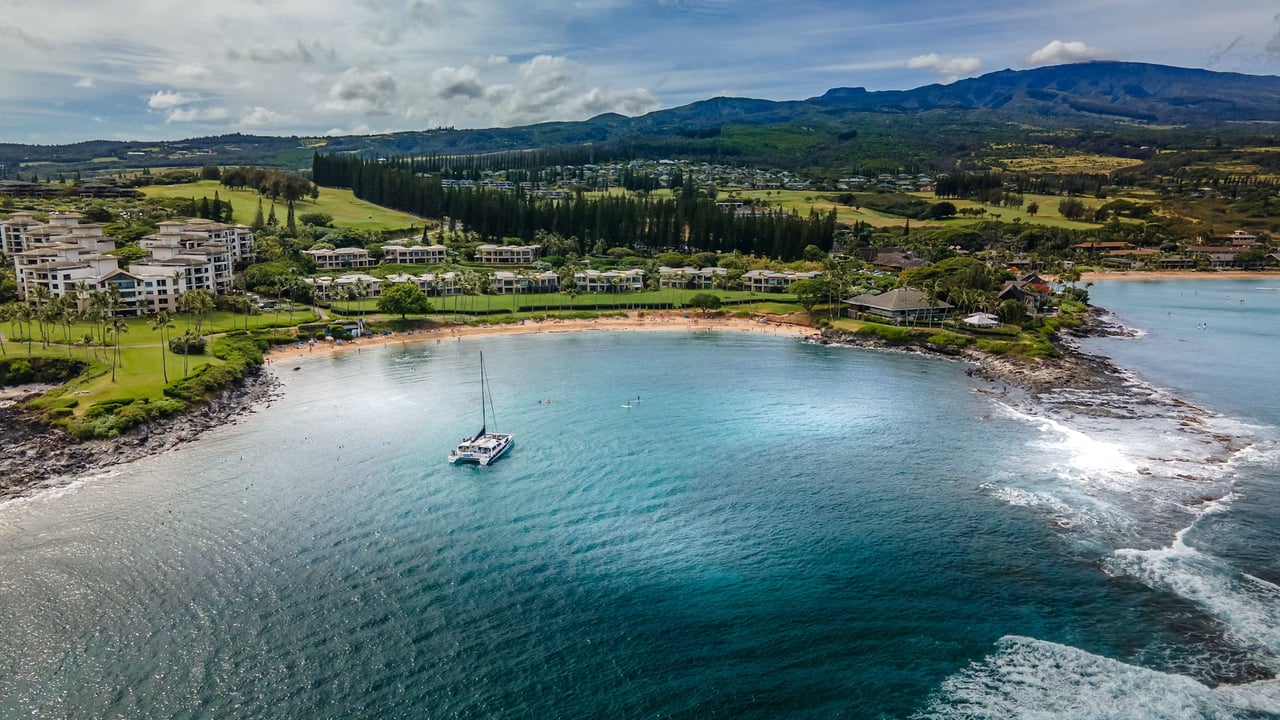
- Kapalua Bay Villas: 141 oceanfront condominiums on 16.5 acres between Kapalua Bay and Oneloa Bay; the only Kapalua Resort community offering oceanfront one- and two-bedroom units with short-term rental eligibility
- Resort at Kapalua Bay: 146 whole-ownership and fractional residences on 24 oceanfront acres; hotel-zoned with multiple approved rental management companies; transitioning to the St. Regis brand in 2027
- Kapalua Golf Villas: 186 one- and two-bedroom units on 16 acres alongside the Bay Course, short-term rental eligible, with four pool areas and Kapalua resort access
The Kaanapali investment property case is anchored most clearly by Honua Kai, which combines fee simple ownership, legal hotel zoning, and beachfront positioning in a community difficult to replicate elsewhere on the West Shore.
What Sellers Need to Know to Position Competitively
Investment buyers evaluate properties differently from vacation home buyers, and sellers who understand that distinction position their units more effectively.
What Investment Buyers Scrutinize Before Making an Offer
- Rental history: Two to three years of documented gross rental income, occupancy rates, and management fee structures that allow a buyer to underwrite realistic return projections
- Unit condition and furnishings: Turnkey presentation with current furnishings, updated appliances, and no deferred maintenance
- HOA financials: Reserve fund adequacy, pending special assessments, and fee history relative to comparable communities
- Rental program terms: On-site enrollment status, management fee rate, and owner-use flexibility alongside rental periods
Sellers who prepare rental documentation and HOA financials before listing move through due diligence faster and with fewer price reductions than those who produce them reactively during escrow.
FAQs
Are all condos in Kapalua and Kaanapali eligible for short-term rentals?
Hotel-zoned properties including Honua Kai, the Kapalua Bay Villas, and the Resort at Kapalua Bay carry clear short-term rental entitlement, but not every community in these resort areas is hotel-zoned, and a title and zoning review before any purchase is essential. I verify zoning status as a baseline step for every investment buyer I work with.
What makes these corridors different from other Hawaii investment markets?
Hotel zoning stability, established management infrastructure, and the West Maui lifestyle (Kaanapali Beach, Kapalua's two championship golf courses, and consistent visitor demand) create conditions difficult to replicate in less-established Hawaii resort markets. The regulatory uncertainty affecting apartment-zoned properties elsewhere on Maui has clarified the relative value of hotel-zoned communities in both corridors.
What should sellers do before listing an investment condo in these corridors?
Gather two to three years of rental income statements, confirm HOA reserve balances and any pending assessments, update or refresh furnishings to current guest expectations, and have your rental program documentation organized and ready to share. Sellers who complete this preparation before listing create a cleaner due diligence process and a more credible investment case for the buyers most likely to close.
Contact Harrison McCandless Today
Kapalua and Kaanapali represent two of the most defensible positions in the Maui investment property market. Whether you are evaluating a first investment purchase or preparing to sell a unit that has served its purpose in your portfolio, I understand how to read this market from both sides.
Reach out to me, Harrison McCandless, and let's walk through a clear-eyed assessment of the investment case specific to the community, unit type, and current market conditions you are working with.