Choosing between Wailea and Kāʻanapali for your Maui second home can feel like choosing a lifestyle. You might be picturing quiet mornings on a manicured beach path, or an easy stroll to oceanfront restaurants after sunset. You also want clarity on rules, rental potential, and how your carrying costs pencil out. This guide gives you a clear, side-by-side view so you can pick the right fit and move forward with confidence. Let’s dive in.
Quick orientation and travel times
If you plan frequent weekend trips, travel time matters. From Kahului Airport (OGG), most private transfers list about 30 to 40 minutes to Wailea in South Maui, which tends to be the quicker resort transfer on the island. You can verify typical transfer times in this overview of Wailea airport transfers.
Getting to Kāʻanapali on West Maui usually runs about 40 to 60 minutes from OGG depending on traffic. There is also a small regional airport at Kapalua (JHM) with limited flights that can shorten your transfer in some cases. Plan a wider window for West Maui arrivals. For a practical primer on routes and timing, see this Kāʻanapali transfer overview.
Bottom line: If a fast airport-to-lanai window is a priority, Wailea typically wins on transfer time.
Resort character and what you can buy
Wailea property mix
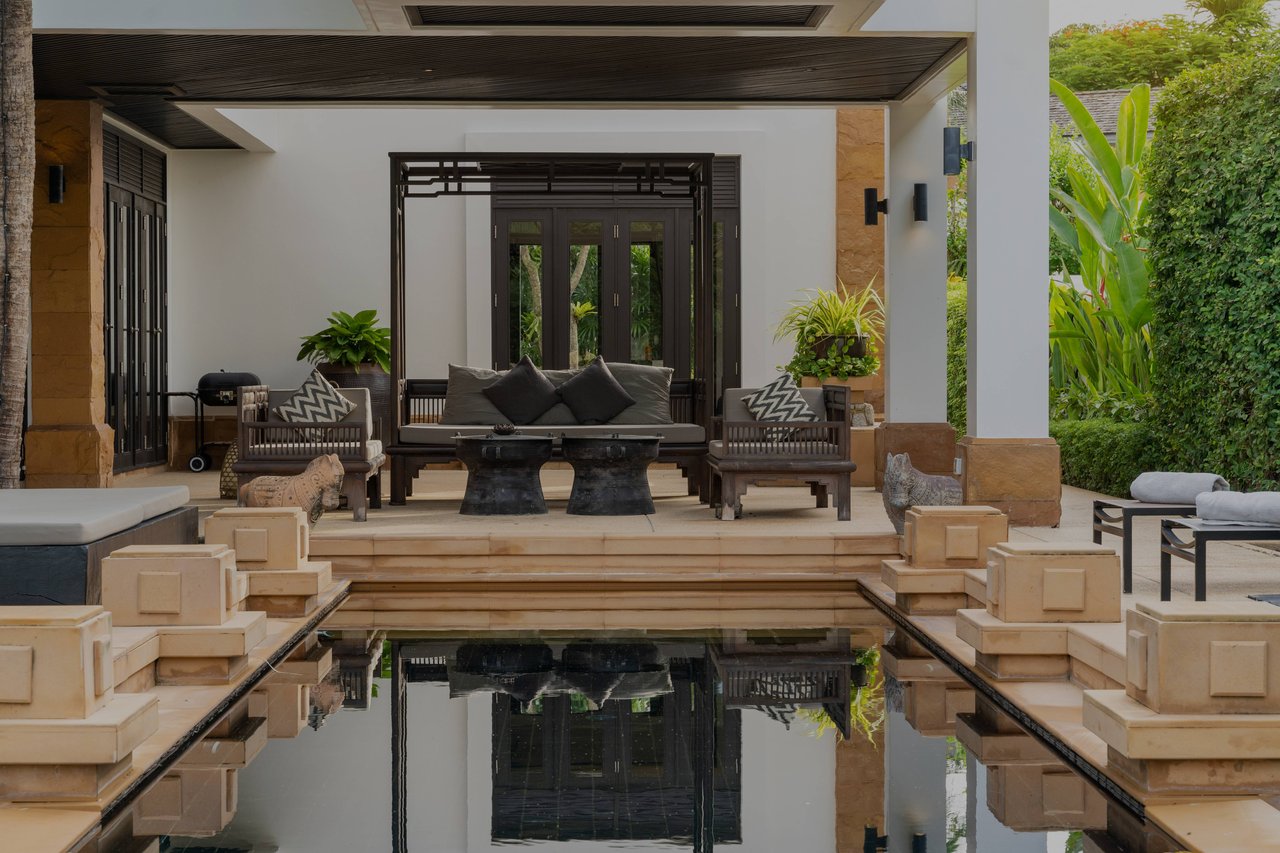
Wailea is a purpose-built luxury resort district with five-star hotels, gated oceanfront villas, and resort condominium communities woven into one cohesive fabric. Expect curated landscaping, a beach path linking coves and hotels, and a central retail hub at The Shops at Wailea. The product mix skews to upscale resort condos and villas, including communities like Wailea Ekahi, Wailea Elua, Wailea Ekolu, Grand Champions, Wailea Beach Villas, Polo Beach Club, and Wailea Point. You can review the major communities in the Wailea Resort Association’s accommodations guide.
Kāʻanapali property mix
Kāʻanapali is one of Maui’s original resort strips with long, walkable beachfront and a lively corridor feel. You’ll see established beachfront condominiums and resort-zoned towers such as The Whaler, Kāʻanapali Alii, Kāʻanapali Shores, Mahana, and Honua Kai. Ownership types vary by property, from fee-simple condos to timeshares and resort residences. This overview of Kāʻanapali hotels and resorts shows the typical mix you can expect along the beach.
Beaches, vibe, and daily rhythm
Wailea experience
Wailea was designed for a quieter, luxury-forward stay. The resort core features wide, manicured grounds, multiple five-star properties, and access to higher-end dining and spa experiences. Signature hotels like the Four Seasons anchor that tone, offering refined service and amenities that define the area’s character. For a sense of the luxury standard, see this snapshot of Four Seasons Resort Maui at Wailea. If you prefer a polished environment and a calm beach path over a busier strip, Wailea tends to align well.
Kāʻanapali experience
Kāʻanapali delivers classic resort energy with a long, contiguous beach walk, easy access to Whalers Village dining and retail, and signature features like Black Rock. The evening cliff-diving ceremony near Black Rock is a highlight, and the area offers popular snorkeling right off the sand. For a practical guide to the scene, look at this Kāʻanapali resort guide. If you want walkable beachfront dining, lively people-watching, and an activity-rich corridor, Kāʻanapali tends to fit.
Golf access and options
Wailea golf
Wailea is a standout for golf-oriented buyers who want immediate proximity to resort play. The Wailea Golf Club offers three championship courses — Gold, Emerald, and Blue — with many condo communities set near fairways or within a short drive. Explore the flagship Wailea Gold course to see the caliber of the golf experience here.
Kāʻanapali and Kapalua golf
Kāʻanapali gives you two resort courses on site — Royal Kāʻanapali and Kāʻanapali Kai — and fast access to Kapalua to the north, home to the Plantation and Bay courses. Kapalua hosts PGA events and is a major draw for players who want tournament-level golf. For an at-a-glance look at the West Maui lineup, the Kāʻanapali guide has helpful context.
Short-term rentals and rules that matter
Both Wailea and Kāʻanapali sit within Maui’s historic resort destination areas, where hotel and resort zoning concentrates visitor lodging. That zoning matters because Maui County passed a significant ordinance in 2025, often referred to as Bill 9, that phases out transient vacation rentals in many apartment-zoned properties. Hotel- and resort-zoned properties and timeshares are generally not the focus of this phase-out, but many apartment-zoned condos that historically ran STRs face change unless a zoning fix or exemption applies. For the official overview and FAQs, start with Maui County’s Bill 9 page.
What this means for you:
- Do not assume a unit can legally operate as a short-term rental just because others in the area do.
- Confirm the exact zoning for the parcel, and whether the complex appears on the county’s historic apartment-zoned TVR lists sometimes called the Minatoya list.
- Ask for written confirmation from the county or recorded documents that prove legal STR use, front-desk or hotel operation rights, or any conditional permits.
If rental income is part of your plan, this is the single most important diligence item before you go under contract.
Owning costs, taxes, and practicalities
Property taxes. Maui County uses multiple classifications, including owner-occupied, non-owner/second homes, apartments, hotel/resort, and timeshares. Rates differ by class, and the homeowner exemption can materially lower owner-occupied bills. Confirm the current class on the tax record and any exemptions claimed. For state-level tax updates and resources, use the Hawaii Department of Taxation announcements.
STR taxes. If you legally rent short term, expect the statewide Transient Accommodations Tax (TAT), Maui County’s local TAT surcharge, and the General Excise Tax (GET). Confirm current rates and filing rules with the Hawaii Department of Taxation. Factor these with platform fees and management costs into your pro forma using conservative assumptions. The Department’s tax announcements are a good reference point for current rules.
HOA dues and assessments. Resort condo associations in both Wailea and Kāʻanapali typically cover grounds, pools, exterior maintenance, and common-area services. Dues vary widely by complex, unit size, and service level. Request the full HOA package — budget, reserve study, insurance summary, rental rules, and any special assessments — before you make assumptions about net costs. For context on community types in Wailea, the Wailea Resort Association directory offers a helpful overview.
Insurance and risk. After the August 2023 Lahaina wildfire, insurers reassessed risk island-wide. Always obtain a written insurance quote early in diligence, including wind, fire, and flood details. Premiums and coverage terms can shift quickly, and they can change a projected STR pro forma or your holding costs. The county’s Bill 9 materials reference the wildfire’s role in recent housing policy, underscoring how dynamic the landscape is.
Who each area tends to fit
Wailea often fits you if you want shorter airport transfers, a quieter luxury resort atmosphere, high-end dining and spa access, and gated villas or full-service condos with resort-level amenities. Be ready to pay a premium for finishes and location. You can scan the Wailea community lineup to see the general caliber of offerings.
Kāʻanapali often fits you if you want a classic beachfront strip with strong walkability, a broader range of property types and price points, proximity to Lahaina’s dining and galleries, and quick access to Kapalua golf. For a quick sense of the corridor, browse this overview of Kāʻanapali’s resort properties.
Quick pick guide
- Choose Wailea if you value low-key luxury, curated amenities, and closer airport access.
- Choose Kāʻanapali if you want a lively beach walk, easy oceanfront dining, and more varied entry points.
- If STR income is essential, verify zoning first. Apartment-zoned condos face phase-out timelines while hotel- and resort-zoned properties generally are not targeted by Bill 9.
- If golf is central, both shine. Wailea puts three courses in your backyard. Kāʻanapali delivers two on site plus Kapalua next door.
Your due diligence checklist
Use this as your action plan before writing an offer:
Zoning and STR status. Confirm the parcel’s zoning, whether the complex appears on any county lists of historic apartment-zoned TVRs, and how Bill 9 affects that specific unit. Start with the official Bill 9 overview, then get written confirmation from the county and the HOA.
HOA documents. Request budget, reserve study, master insurance summary, rental rules, parking, pet policies, and any special assessments. Compare recent dues within the same complex.
Taxes. Ask the seller for the current property tax class and recent tax bills. Confirm whether any homeowner exemption was claimed and whether the unit is taxed as hotel/resort, apartment, timeshare, or non-owner second home. For tax rule changes and TAT/GET references, use the Hawaii Department of Taxation updates.
STR permits and operations. If the unit relies on a front-desk program or an HOA-managed rental operation to maintain legal transient use, get copies of those documents. If a conditional use permit exists, obtain it.
Rental pro forma. Ask for 12 months of booking history, ADR by month, occupancy, gross and net revenue after management and operating costs. If data is thin, require third-party estimates and note the risk. For market-level direction, the state’s tourism research distributes vacation-rental performance summaries, which you can access through this HTA vacation-rental report overview.
Insurance. Get a written quote that details coverage, exclusions, and premium. Confirm hurricane and flood endorsements if applicable.
Local management and vendors. If you plan to rent, interview one or two local managers about fees, typical guest profiles, and unit suitability. If you plan to self-manage, confirm cleaner and repair vendor availability in that area.
How a design-minded advisor helps
A second home in Maui is as much about story and setting as it is about square footage. You want a place that feels right the moment you open the lanai doors, and you want numbers and rules that support that choice. A boutique, design-forward process can help you compare communities, map zoning and rental realities, model conservative returns, and negotiate with clarity. If you are weighing a Wailea villa against a Kāʻanapali oceanfront condo, reach out for a curated short list and a clear side-by-side of your top picks. When you are ready to explore, connect with Harrison Mccandless for a private, data-backed consultation.
FAQs
What are typical OGG transfer times to Wailea and Kāʻanapali?
- Plan about 30 to 40 minutes to Wailea and about 40 to 60 minutes to Kāʻanapali, with Kapalua’s small airport offering limited-flight options for West Maui.
How does Maui’s Bill 9 affect short-term rentals in these resort areas?
- Bill 9 phases out transient vacation rentals in many apartment-zoned properties, while hotel- and resort-zoned properties and timeshares are generally not targeted, so always verify zoning for a specific unit.
Which area is better for golfers who want easy access?
- Wailea puts three championship courses minutes from most communities, while Kāʻanapali offers two on site and fast access to Kapalua’s renowned Plantation and Bay courses.
Can I rely on STR income when buying a condo in either area?
- Only if you verify legal status, zoning, and recent revenue; get written confirmation and build a conservative pro forma with actual booking history and current management costs.
Are HOA dues usually higher in Wailea than in Kāʻanapali?
- Dues vary widely by complex, unit size, services, and reserves in both areas, so compare the actual HOA budget, reserve study, and any special assessments for the specific property.
Is Kapalua Airport a good alternative to OGG for West Maui stays?
- It can shorten transfers for some travelers, but schedules and routes are limited, so keep OGG as your primary plan and treat JHM as a convenience when flights align.