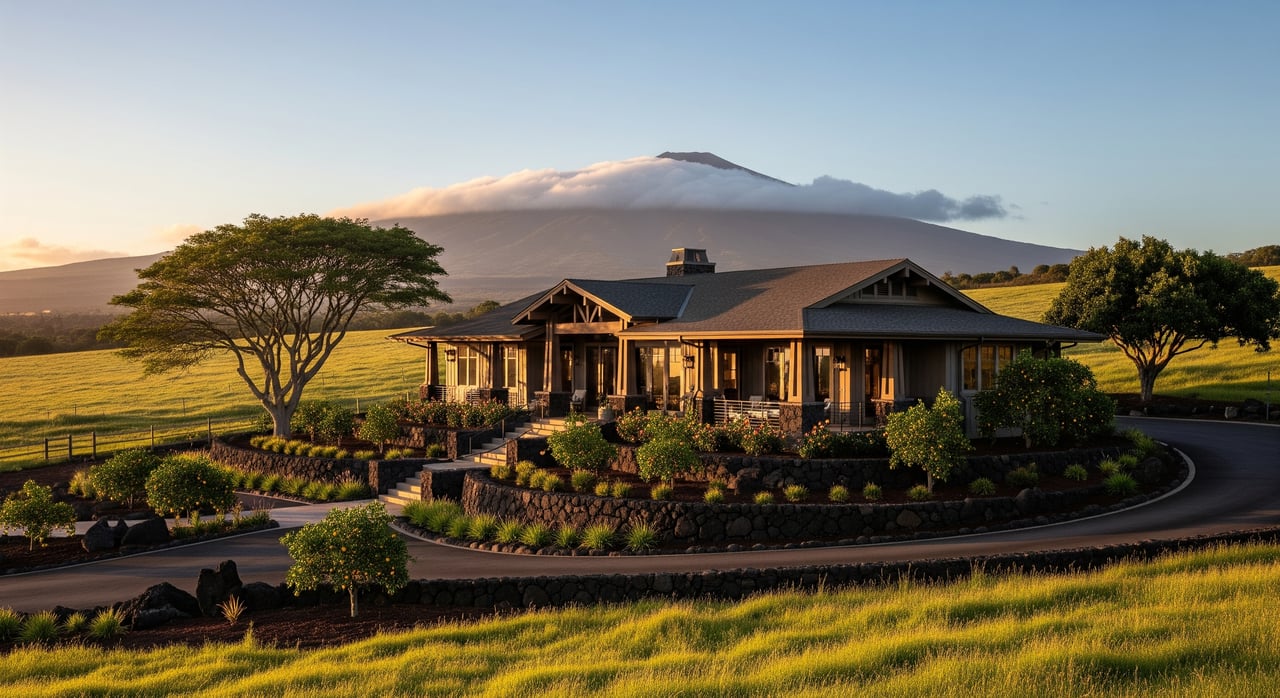
Pricing a home in Upcountry is not one-size-fits-all. Two similar-looking properties can diverge by six figures based on elevation, water access, septic needs and view lines. If you want to capture top dollar without overreaching, you need a local, detail-first strategy. In this guide, you’ll learn the key Upcountry pricing drivers and a proven framework to set a confident list price for Kula, Makawao and Pukalani homes. Let’s dive in.
Upcountry market at a glance
Upcountry behaves differently than Maui’s resort fronts. Buyers here pay for climate, acreage, usable land and Haleakala or bicoastal views rather than beachfront proximity. Island-wide, inventory has risen from pandemic lows and days on market are longer in several segments, so well-positioned listings win while marginal ones negotiate harder. Your price should reflect this selective demand and the property’s certainty on utilities, access and improvements.
What drives price in Kula, Makawao and Pukalani
Elevation, views and acreage
Elevation shapes daily comfort and lifestyle. Parcels that frame clear Haleakala or bicoastal views and offer usable, gently sloped land often command premiums. Buyers also value space for gardens, small agricultural activities and privacy, so highlight flat yards, sun exposure and access.
Utilities and access
Upcountry homes often rely on county meters, private wells or rain catchment, plus septic or aerobic systems. Confirmed water, documented wastewater systems and straightforward road access reduce risk for buyers. The fewer unknowns, the more confident your pricing can be.
Local constraints that change value
Water meter status
Upcountry is served by a separate water system with a long-standing priority list for meter issuance. Properties with an installed county meter or a favorable priority number tend to sell faster and at stronger prices. Review the County’s Upcountry Water System resources and priority list details through the Department of Water Supply, and reference them in your listing remarks to reduce uncertainty. Learn more about the Upcountry water system and priority process through the County’s Engineering Division pages.
Wastewater and cesspools
Much of Upcountry is off sewer, and state and county actions have targeted cesspool conversions in priority areas. Septic or aerobic system design and installation can be a meaningful expense and timeline factor. Disclose the current system, recent inspections and credible conversion estimates, and price accordingly. For background on regulatory focus, see local coverage of cesspool conversion discussions.
Zoning, lot size and accessory dwellings
Agricultural and residential zones carry different minimum lot sizes and permitted uses. Some updates may expand accessory dwelling options in coming years, but infrastructure limits still apply. Confirm zoning, state land-use designation and any community plan overlays before assuming development value. Use the County’s planning FAQs for permitted uses and minimums.
Short-term rental policy shifts
Maui County is advancing a plan to phase out many apartment-zoned transient vacation rentals over a multi-year period. While Upcountry does not include targeted A1/A2 zoned properties, the policy can shift investor demand and pricing dynamics across the island. Follow the County’s Bill 9 overview for scope and amortization timelines, and be transparent about current or potential rental use when pricing. Broader context is also covered in state and national reporting.
Insurance and financing realities
Hawaii’s property insurance market has tightened since recent wildfire losses. Higher premiums, rising deductibles and underwriting limits can affect financing, especially for condos and CPRs with master policies. Account for carrying costs and mortgageability in your pricing and disclosures. For current context, see Civil Beat’s coverage of insurance market stabilization efforts and Hawaii Business on condo master policy challenges.
A pricing framework that works Upcountry
- Build a layered comp set.
- Primary: closed sales in Kula, Makawao or Pukalani with similar elevation, lot size and condition.
- Secondary: broader Upcountry comps for trend context when local sales are thin.
- Apply structured adjustments.
- Water: installed county meter or strong priority number is a premium; lack of meter or reliance on catchment often requires a discount or mitigation plan.
- Wastewater: adjust for known or likely conversion costs if a cesspool is present.
- Site and use: view corridors, usable acreage, gentle slope and permitted accessory dwellings often add value.
- Access and proximity: straightforward access and closeness to services typically support price.
- Set a realistic negotiation band.
- In selective markets, aim for a price that generates strong showings in the first 2 to 4 weeks rather than a top-heavy number that sits and invites larger discounts.
- Align price with your buyer profile.
- Owner-occupants prioritize reliability and operating costs.
- Second-home buyers prioritize views, privacy and turnkey condition.
- Investors prioritize regulatory clarity and insurance-cost predictability.
Pre-listing due diligence checklist
- Water: Document your meter status or Upcountry priority number, or secure a credible plan for catchment or a well. Share County references to the Upcountry water system to ground expectations.
- Wastewater: Get a current septic inspection, and if a cesspool is present, obtain bids and timelines for conversion so you can price or credit accordingly. See local context on cesspool policy discussions.
- Zoning: Pull permitted uses, minimum lot size and any overlays from County planning FAQs and confirm all permitted improvements.
- Insurance: Obtain a homeowner quote. For condos or CPRs, summarize the master policy’s premium, deductible and renewal status, and note any special assessments. Use recent reporting on insurance market stress and condo policy hurdles to prepare buyers and lenders.
Positioning and presentation to protect price
Lead with certainties in your marketing. State your water source and meter status, wastewater system type and any recent inspections, and summarize insurance or HOA details where relevant. Clear documentation lowers perceived risk and supports stronger offers.
Then showcase what buyers pay for. Elevation, view lines at different times of day, usable yard space, permitted farm structures and proximity to everyday services can all be value cues. A design-forward presentation with curated staging, lighting and storytelling helps buyers visualize life in the home and justifies premium pricing.
Pricing by buyer profile
Owner-occupants
Emphasize reliable utilities, straightforward maintenance and proximity to schools and services. Price with typical financing in mind and be proactive on inspection items or credits.
Second-home and retiree buyers
Lean into privacy, views, climate and turnkey ease. Condition and presentation carry extra weight, so include more of the view and lifestyle premium in your price if the fundamentals are clear.
Investors
Be conservative and transparent about rental use and policy risk. If income is part of the story, provide scenarios for both long-term and any permitted short-term paths in light of Bill 9, and factor insurance costs into the model.
Timing and seasonality
Showings and offers often track mainland travel calendars and school breaks. Listings that launch into peak travel windows can capture more out-of-area buyers. If your property appeals to second-home purchasers, time photography and launch to maximize light and view moments that resonate.
Ready to price your Upcountry property with precision and polish? Reach out to Harrison Mccandless to align your strategy, presentation and distribution for a result that reflects both lifestyle and long-term value.
FAQs
How do water meters affect Upcountry home value?
- Properties with installed county meters or strong positions on the Upcountry priority list typically sell faster and command premiums, while parcels without meters often require price allowances or documented alternatives linked to the Upcountry water system.
What should I know about cesspools when selling in Kula?
- Many Upcountry properties are off sewer, and cesspool conversions can be required or incentivized, so current inspections and credible bids help you price or credit appropriately in line with local cesspool policy discussions.
How could Maui’s Bill 9 impact pricing if my home has STR history?
- Proposed phase-outs of many apartment-zoned STRs change future income assumptions and can shift investor demand, so price with transparent rental scenarios and cite the County’s Bill 9 overview for timelines and scope.
How does insurance affect buyer demand in Upcountry?
- Higher premiums and tighter underwriting, especially for condos or CPRs, increase carrying costs and can limit financing, so obtain quotes early and address master policy questions using reporting on market stabilization efforts.
What’s a smart first list price in Makawao or Pukalani?
- Build a comp set at similar elevation and lot size, adjust for water, wastewater, views and permitted units, then set a price that targets strong showings in the first 2 to 4 weeks rather than testing a number that invites larger discounts.