
HOA Fees on Maui: What They Really Mean (And What Buyers Miss)
One of the first things buyers notice when looking at condos in Maui—especially in places like Wailea or Kapalua—is the HOA fee. And almost every time, the reaction is the same:
“Why are they so high?”
It’s a fair question. But it’s also usually the wrong one.
Because the real question isn’t how much the HOA fee is—it’s what you’re actually getting for it, and how it impacts your ownership long term. Once you understand that, the numbers start to make a lot more sense.
First, What an HOA Actually Is in Maui
In Hawaii, what most people call an HOA is technically an AOAO—Association of Apartment Owners. It’s the governing body that manages the entire condominium property, from the physical structures to the financial health of the community.
This isn’t just landscaping and a pool. The AOAO is responsible for the infrastructure of the property itself—roofs, plumbing systems, exterior maintenance, insurance, reserves, and everything in between.
When you buy a condo in Maui, you’re not just buying the unit—you’re buying into that entire system.
Why HOA Fees Are Higher on Maui Than the Mainland
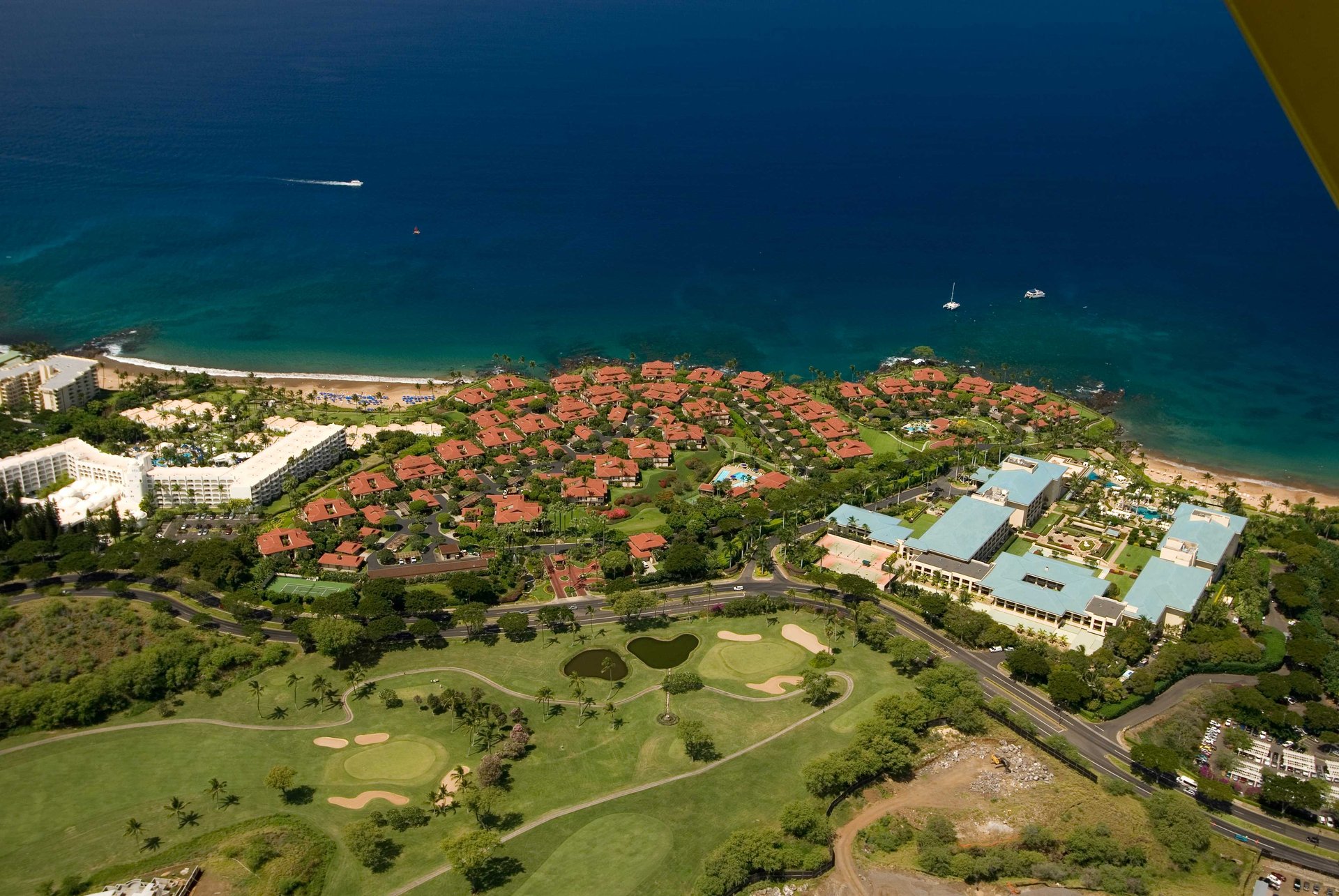
Maui isn’t just another condo market. It’s a remote island in the middle of the Pacific, with a harsh coastal environment and limited resources. That reality shows up directly in HOA dues.
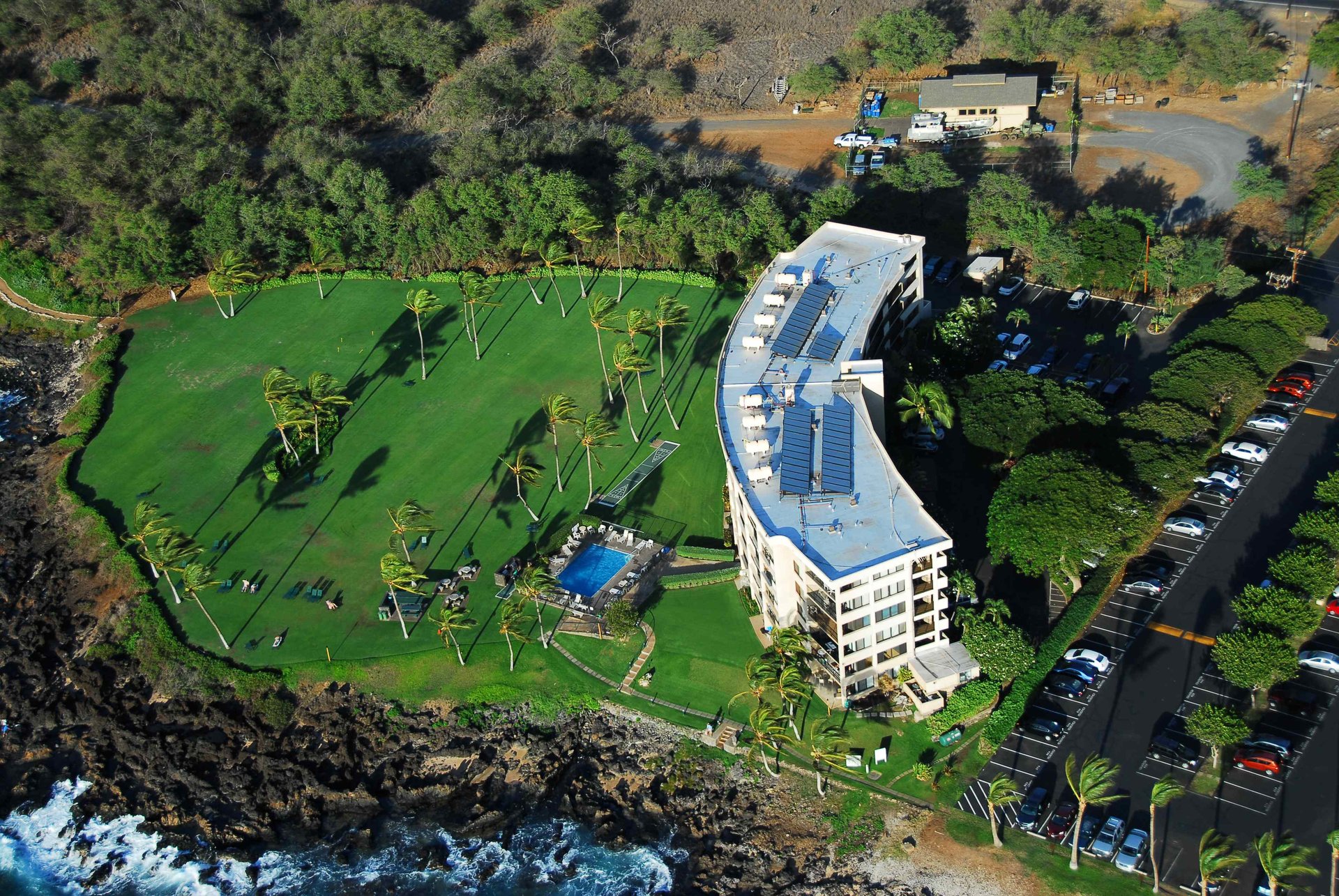
Oceanfront and resort properties, in particular, face constant exposure to salt air, wind, and sun. Buildings simply wear faster here. Railings corrode, paint breaks down, roofs take more abuse, and mechanical systems need more frequent replacement.
Then there’s insurance. This is one of the biggest drivers of HOA fees today. Insurance premiums in Hawaii have increased significantly in recent years, and for large condo complexes—especially oceanfront ones—the master insurance policy can be one of the largest line items in the entire budget.
Utilities are another factor. Electricity, water, and service costs are all higher than mainland averages, and depending on the complex, some or all of those may be included in your monthly dues.
So when you see a higher HOA fee in Maui, it’s not arbitrary—it’s a reflection of real operating costs in a very specific environment.
What HOA Fees Actually Cover
Most buyers assume HOA fees are just for maintenance and amenities. In reality, they cover far more—and understanding this is where you start to evaluate value properly.
A significant portion typically goes toward the master insurance policy, which covers the building structure and common elements. There are also reserve contributions, which are essentially long-term savings for major future repairs like roofing, painting, elevators, or structural work.
Beyond that, HOA dues often include things like landscaping, pool and amenity maintenance, trash service, sewer, water, and common area utilities. In some communities, even cable or internet may be included.
In higher-end Wailea or Kapalua properties, you’re also paying for management, staffing, and overall presentation—the reason the property feels clean, consistent, and well-run every time you arrive.
Why Two Similar Condos Can Have Very Different Fees
One of the biggest misconceptions I see is buyers comparing HOA fees across properties without understanding what’s behind them.
Two condos might look similar on the surface—but one could have strong reserves, newer infrastructure, and solid insurance coverage, while the other is underfunded and heading toward future special assessments.
Lower HOA fees are not always a positive. In many cases, they can indicate that a building is under-reserved or deferring maintenance, which often leads to larger costs down the line.
This is why I always tell clients:
Don’t just look at the monthly number—look at the financial health of the entire association.
Special Assessments: The Part Buyers Overlook
Even well-run associations can occasionally issue special assessments, but they are far more common in buildings that haven’t properly planned ahead.
A special assessment is essentially a one-time charge to cover a large expense—roof replacement, structural repairs, insurance shortfalls, or major upgrades.
These can range from a few thousand dollars to significantly more, depending on the scope of the project. And in Maui, where construction costs are high and logistics are complex, those numbers can add up quickly.
This is one of the most important areas of due diligence—and one of the easiest places for inexperienced buyers to get caught off guard.
How I Advise Clients to Evaluate HOA Fees
When I walk a buyer through a condo purchase in Maui, we’re not just looking at the unit—we’re analyzing the entire association behind it.
That means reviewing the budget, understanding reserve funding, looking at insurance coverage and deductibles, and reading through board meeting minutes to identify upcoming projects or concerns.
Because at the end of the day, HOA fees are not just a monthly expense—they’re a reflection of how well the property is managed, how stable your ownership costs will be, and how the property will perform over time.
The Bottom Line on HOA Fees in Maui
HOA fees are one of the most misunderstood aspects of buying a condo in Maui. They’re often higher than expected, but they’re also what make the ownership experience here so seamless.
They allow you to own in some of the most desirable locations in the world—oceanfront, resort-driven, and professionally maintained—without the day-to-day responsibilities of managing a standalone property.
The key is not avoiding HOA fees. It’s understanding them.
Because when you buy into the right community, with the right structure and financial health, those fees stop feeling like a cost—and start feeling like part of the value.

Thinking About Buying a Condo in Maui?
If you’re considering a condo purchase and want to understand how HOA fees actually impact value, lifestyle, and long-term investment, I’m happy to walk you through it.
There’s a big difference between a good condo and a great one in Maui—and a lot of that comes down to what’s behind the numbers. Have questions about a complex of interest, or curious about HOA specifics? Reach out anytime at [email protected] or give me a shout at 808.344.4363